
Keeping your home warm through the chilly months doesn’t have to strain your budget. Simple adjustments and sensible upgrades can create a comfortable living space and yield significant savings. One way homeowners in the area can optimize their efficiency is by considering timely Richmond Hill water heater installation and other home updates that support energy-efficient heating. Small changes in daily habits, combined with strategic investments, can ensure your household stays cozy without driving up monthly bills.
Adopting efficient heating practices also extends the life of your heating system and reduces your environmental footprint. By understanding your home’s unique needs and addressing inefficiencies, you can reduce waste and unnecessary expenses. It’s about finding the right balance between comfort, cost, and sustainability for your household.
With a combination of routine maintenance, smart tech, and best practices for insulation, every homeowner has the tools at hand to make impactful improvements. No single solution fits every home, so customizing a strategy for your space is key to achieving maximum efficiency and comfort through the winter.
Optimize Your Thermostat Settings
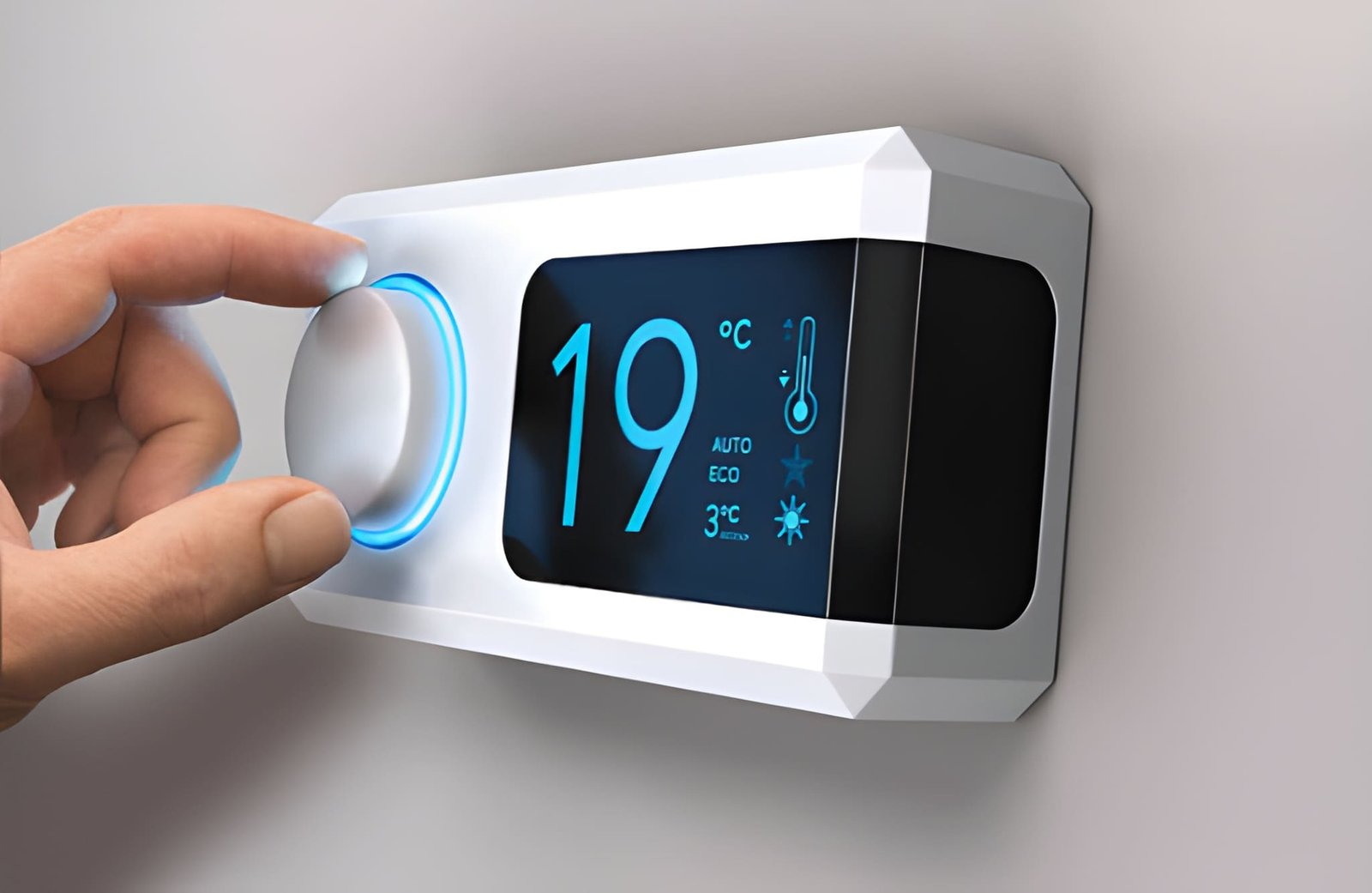
Setting your thermostat to the right temperature is one of the easiest ways to cut energy use without compromising comfort. According to the U.S. Department of Energy, keeping your thermostat at 68°F (20°C) while you are home and lowering it overnight or when you leave the house can save up to 10 percent a year on heating costs. Using a programmable thermostat or adjusting settings manually is an effective strategy for immediate results. For more details on recommended temperature settings, consult reputable energy resource sites such as Energy Saver.
Regular Heating System Maintenance
Maintaining your heating system ensures it runs at peak efficiency. Schedule professional inspections annually, especially before the heating season, to catch problems early and keep your system operating smoothly. Change or clean air filters every one to three months, depending on usage, as dirty filters restrict airflow and force your system to work harder. Keeping air ducts, vents, and radiators clear of dust and obstructions also boosts efficiency and improves indoor air quality.
Enhance Home Insulation
Rich insulation not only keeps your home warm during winter but also cool in the summer. Focus on insulating your attic, exterior walls, basement, or crawl spaces, plus sealing leaks around windows and doors. Use weatherstripping and caulking to seal entry points and block drafts and heat loss. Upgrading insulation is a long-lasting solution, especially in older homes that may not meet modern energy standards. Supplemental insulation pays off quickly with lower heating bills and greater comfort year-round.
Utilize Natural Heat Sources
Natural sunlight is a powerful ally in home heating. Open curtains and blinds on south-facing windows during the day to maximize solar gain and naturally warm your home. Close them at night to prevent heat from escaping. Indoor plants and dark-colored flooring can also help by absorbing and slowly releasing solar heat. These passive techniques are simple, low-cost ways to enhance your home’s warmth and reduce reliance on your furnace or heater.
Invest in Smart Thermostats
Smart thermostats are a worthwhile investment for homeowners who want precise control over their heating systems. These devices can learn your family’s schedule, automatically adjust temperatures, and provide remote access via smartphone apps. Features such as usage tracking and energy reports offer valuable insights for further optimization. Beyond the convenience, smart thermostats can substantially decrease heating costs by ensuring heat is delivered only when it’s needed most.
Conduct a Home Energy Audit
Understanding where your home loses energy is essential for making informed improvements. A professional energy audit involves a comprehensive assessment using diagnostics like blower door tests and infrared thermography to identify leaks, insulation gaps, and inefficient appliances. Based on the findings, you can prioritize upgrades like sealing ducts, adding insulation, or updating old equipment. Many utility companies and government agencies offer rebates or incentives to offset the cost of an audit.
Implement Effective Window Treatments
Insulating curtains and thermal blinds provide an extra layer of defense against heat loss through windows. Keeping them closed overnight and during especially cold days can further limit drafts. Choose window coverings designed specifically for insulation and consider double glazing for added energy efficiency. Upgrading window treatments is a relatively easy project that makes an immediate impact on room comfort and utility bills.
Use Ceiling Fans Strategically
Running ceiling fans at a low speed in a clockwise direction during winter helps push warm air, which naturally rises, back down into the living area. This even distribution of heat can reduce the demand on your primary heating system and ensure rooms are consistently comfortable. Make sure to adjust your fan’s direction and speed seasonally for optimal results.
Applying these efficient heating strategies will not only help keep your home warm and cozy but also allow you to save money and reduce energy consumption over time. With a mix of routine care, thoughtful upgrades, and habits that harness both technology and nature, you can enjoy both comfort and cost savings every winter season.
Read more: How to Spot if You Need to Replace Your Home’s Railings
