

Exploring options for storing personal items can be daunting; the market is flooded with choices, each promising top-notch facilities and unbeatable prices. Whether you’re decluttering, moving, or simply in need of extra space, knowing what to look for in a storage facility is key. From understanding different types of storage units to packing tips and security considerations, this guide aims to arm you with the necessary information to make an informed decision. Below, we delve into the nuances of selecting the perfect storage place for your needs.
Understanding Different Types of Storage Facilities
Storage facilities come in various forms to meet different needs. Traditional self-storage units provide secure spaces with flexible sizes and access hours, while climate-controlled units protect sensitive items like electronics, artwork, or antiques from extreme temperatures and humidity. Drive-up access units make loading and unloading heavy or bulky items easier, and mobile storage options offer the convenience of on-site packing and transport to a secure facility.
Specialty storage facilities cater to unique requirements, including vehicle storage for cars, boats, and RVs, often featuring covered spaces and enhanced security. When searching for storage solutions, exploring “storage places near me” can help identify options that match your specific needs, ensuring both convenience and protection for your belongings.
Factors to Consider When Choosing a Storage Unit
When choosing a storage facility, location is crucial. Selecting a facility close to your home or office enhances convenience and reduces travel time, while safety features like gated access, security cameras, and well-lit areas protect your belongings. The size and scalability of the unit are important to match your storage needs, with options to upsize or downsize, offering flexibility and cost efficiency.
Evaluating the facility’s reputation and customer service through reviews or recommendations helps gauge management quality and staff responsiveness, which can impact your experience. Accessibility matters too; facilities with extended or 24-hour access, along with online account management, provide ease in handling visits and administrative tasks.
Essential Tips for Efficiently Packing Your Storage Space
Effective packing maximizes storage space and simplifies locating items later. Begin by sorting belongings and discarding unnecessary items to reduce storage needs and costs. Use sturdy, uniform boxes or totes for easy stacking and label each with its contents and room. Arrange the unit with a central aisle for convenient access, placing frequently used items at the front.
Stack heavier items at the bottom for stability, while protecting delicate or valuable items by placing them on top. Utilize furniture drawers and appliance interiors to store smaller items. Protect belongings from dust and damage with covers or climate-controlled units, and ensure electronics and appliances are clean and dry to prevent mold and deterioration during storage.
Security Measures to Look for in a Storage Facility
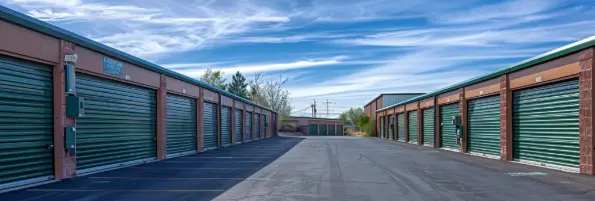
When choosing a storage facility, focus on robust security features to protect your belongings. Gated access with keycards or combinations restricts entry to authorized individuals, while video surveillance deters theft and aids in incident investigations. On-site management or security personnel ensure constant monitoring and rapid response to concerns.
Units with individual alarms increase security by alerting staff to unauthorized access. High-quality differential locks offer added protection against tampering, making the choice of lock crucial. Review the facility’s history of security incidents to identify potential risks. Consider insurance coverage for stored items to safeguard against unforeseen events, ensuring policies meet your specific needs.
Navigating the Costs and Contracts of Storage Rentals
When renting a storage unit, understanding the financial aspects is as crucial as evaluating its features. Costs vary based on unit size, location, and amenities, so it’s wise to ask about promotions, discounts, or savings from longer leases. Be aware of additional fees such as administrative charges, security deposits, or required insurance, and review the rental agreement carefully to avoid unexpected expenses.
Pay attention to the termination policy, including notice periods and penalties for early removal, to maintain flexibility. Consider customer service responsiveness for payment issues, including accepted payment methods and grace periods for late payments, to ensure smooth transactions and a stress-free storage experience.
Altogether, choosing the right storage facility involves a combination of understanding your needs and knowing how to assess the features, security, and costs associated with different storage options. By addressing these aspects, you can confidently navigate the storage rental process and find a solution that ensures the safety and accessibility of your belongings. With the right preparation and a well-informed approach, you can secure a storage space that not only meets your immediate needs but also provides flexibility and peace of mind for the future.
Also Read
