
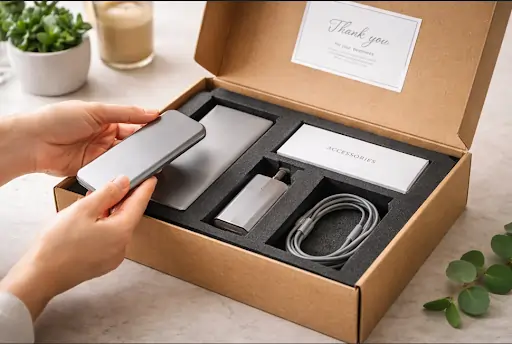
Not every product fits into a standard box. As brands expand into new categories, introduce premium lines, or handle fragile and irregular items, packaging quickly becomes more complicated. Generic packaging often falls short in these situations, creating risks during shipping, storage, and presentation. This is where custom specialty packaging solutions play a critical role by addressing challenges that standard packaging simply cannot handle.
Specialty packaging is not about excess design or unnecessary features. It is about solving real problems with precision, reliability, and intent.
Understanding What Makes Packaging “Complex”
Complex packaging needs arise when products have unique characteristics. These may include unusual shapes, delicate components, high value, strict safety requirements, or specific handling conditions. Products such as medical devices, electronics, cosmetics, glassware, luxury goods, and industrial components often fall into this category.
Standard packaging is built for efficiency and volume, not individuality. When products require exact positioning, layered protection, or controlled presentation, custom solutions become necessary.
Solving Fit and Stability Issues
One of the most common challenges is improper fit. Products that move inside a box are more likely to arrive damaged. Excess space leads to shifting, while tight or incorrect sizing can apply pressure in the wrong places.
Custom specialty packaging solves this by designing structures around the product itself. Inserts, compartments, and molded supports hold items securely in place. This approach reduces movement during transit and ensures the product arrives exactly as intended.
A precise fit also improves the unboxing experience. Customers can immediately see that the packaging was made for the product, not adapted after the fact.
Protecting Fragile and High-Value Items
Fragile products require more than basic cushioning. Glass, ceramics, electronics, and precision instruments are vulnerable to shock, vibration, and compression.
Specialty packaging addresses this through layered protection. Rigid outer boxes, shock-absorbing inserts, and reinforced edges work together to absorb impact. Materials are chosen based on the product’s weight, fragility, and shipping distance.
For high-value items, packaging also plays a role in theft prevention and tamper resistance. Secure closures and discreet exterior design help protect products throughout the supply chain.
Managing Irregular Shapes and Components
Many products are not uniform. They may include multiple parts, accessories, or asymmetrical shapes that do not align with standard packaging formats.
Custom solutions allow brands to organize these components efficiently. Separate compartments prevent parts from rubbing against each other or becoming tangled. Clear layouts also make assembly and inspection easier during packing.
This level of organization reduces errors, speeds up fulfillment, and improves consistency across shipments.
Meeting Industry and Compliance Requirements
Certain industries operate under strict packaging guidelines. Medical, pharmaceutical, food, and chemical products often require specific materials, labeling, and protective features.
Specialty packaging is designed with these requirements in mind from the beginning. This includes space for clear labeling, proper sealing, and materials that meet safety or regulatory standards.
By building compliance into the packaging design, brands reduce the risk of delays, rejections, or recalls.
Improving Efficiency in Storage and Shipping
Complex packaging does not have to mean inefficient. In fact, well-designed specialty packaging often improves logistics.
Custom sizing reduces wasted space, allowing more products per pallet or container. Stackable designs improve warehouse organization. Stronger materials reduce the need for secondary packaging, such as extra cartons or fillers.
Over time, these efficiencies can lower shipping costs and reduce damage-related losses.
Enhancing Presentation Without Overcomplication
Specialty packaging is often associated with premium presentation, but it does not need to be flashy. Clean design, logical structure, and quality materials are usually more effective than excessive decoration.
For products where presentation matters, such as luxury goods or branded kits, custom packaging creates a controlled visual experience. Products are revealed in a deliberate order, reinforcing quality and care.
This structured presentation builds confidence and reflects professionalism, especially for first-time customers.
Supporting Multi-Channel Distribution
Brands today sell through multiple channels at once. A product may be shipped directly to customers, displayed in retail stores, or sent in bulk to distributors.
Custom specialty packaging can be adapted for these different uses. The core structure remains the same, while outer packaging or inserts change based on the channel.
This flexibility allows brands to maintain consistency while meeting different logistical and presentation needs.
Reducing Returns and Customer Complaints
Packaging failures often lead to returns, even when the product itself is not faulty. Damaged items, missing components, or confusing presentation frustrate customers and increase support costs.
Specialty packaging reduces these issues by protecting products properly and presenting them clearly. When customers receive items in good condition and understand how to handle them, satisfaction improves.
Fewer returns also mean lower operational costs and better long-term customer relationships.
Scaling Specialty Packaging Without Losing Control
Some brands hesitate to adopt custom packaging because they worry about scalability. However, specialty packaging can be designed with growth in mind.
Once a structure is finalized, it can be produced in larger quantities with consistent quality. Standardized materials and repeatable designs allow brands to scale without redesigning packaging for every increase in volume.
This makes specialty packaging a practical choice not only for niche products, but also for growing product lines.
Final Thoughts
Complex products require thoughtful packaging. Standard boxes are built for convenience, not precision. When products demand protection, structure, compliance, or careful presentation, custom specialty packaging provides solutions that align with real-world needs.
By focusing on fit, protection, efficiency, and clarity, specialty packaging helps brands reduce risk, improve customer experience, and support long-term growth. It is not about adding complexity—it is about solving it.
Read more: When Fun Transforms into Problems: Real Cases of Online Gaming Addiction
Top Benefits of Online DHA Coaching in Kerala for Pharmacist Aspirants
Semaglutide Prescription in Montgomery, Alabama: A Smarter Way to Achieve Lasting Weight Loss
