
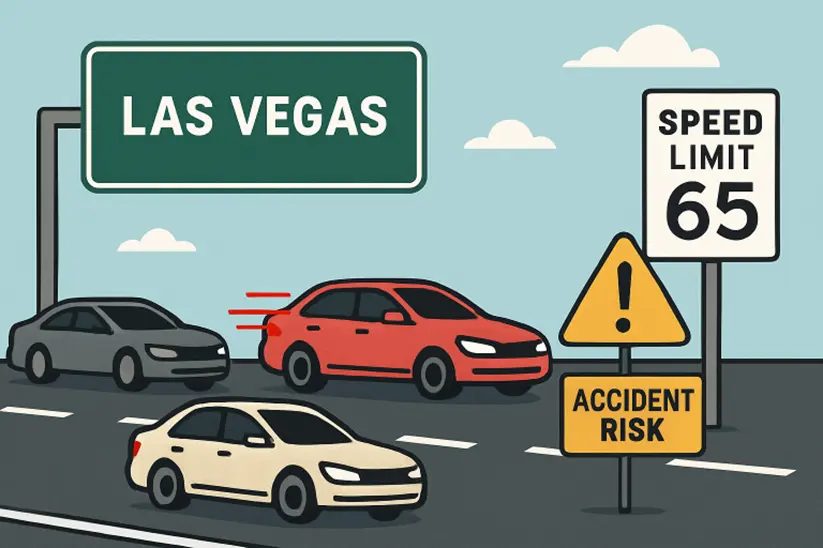
Las Vegas, a city renowned for its vibrant entertainment and nightlife, also faces significant challenges in terms of highway safety. High-speed driving not only increases the likelihood of accidents but also amplifies the severity of resulting injuries. With thousands of vehicles navigating highways and intersections daily, understanding the high-speed risks specific to Las Vegas can help drivers, policymakers, and the community take vital steps toward improved safety. For those seeking legal assistance or information on accident claims, comprehensive support is available at blakefriedmanlaw.com.
Reducing high-speed incidents requires a collaborative effort, involving individual responsibility, targeted enforcement, and constant vigilance. Fatal crashes often leave profound impacts on families and communities. Recognizing risk factors and proactively addressing them is essential for protecting everyone on the road.
The Impact of High-Speed Driving on Accident Severity
Speed is a crucial factor in determining the outcomes of motor vehicle accidents. At higher speeds, a driver’s ability to react to obstacles or sudden changes on the road is significantly compromised. Moreover, the force generated during a high-speed collision substantially increases the risk of life-changing injuries or loss of life, affecting both vehicle occupants and pedestrians. According to the National Highway Traffic Safety Administration (NHTSA), even a modest increase in speed causes a disproportionate escalation in crash severity and fatal outcomes.
Compared to accidents at lower speeds, high-speed crashes are more likely to result in traumatic brain injuries, spinal cord damage, and fatalities. The destructive power of a high-speed impact also means that safety features in most vehicles may not provide complete protection, leaving drivers and passengers more vulnerable to serious harm.
Recent Statistics on Las Vegas Traffic Fatalities
Data collected through the end of 2025 reveals a troubling trend on southern Nevada’s roads. By early December, Las Vegas had already recorded 153 traffic-related deaths, exceeding totals from prior years. This increase underscores the urgent need for diligent enforcement and public education surrounding speeding and reckless driving.
Speed continues to be a leading factor in local fatal accidents, with a substantial portion of these accidents occurring on highways and busy city intersections. These numbers illustrate the direct impact that excessive speed has on community safety and the importance of aggressive initiatives to address these problems. For broader context on Nevada’s road safety data, visit the Las Vegas Review-Journal.
High-Risk Areas in Las Vegas
Not all road segments in the city are equally dangerous. Certain high-traffic zones, such as the intersection of Flamingo Road and Rainbow Boulevard, have become focal points for frequent collisions. Between January and April 2025 alone, this intersection reported 26 crashes, making it one of the most accident-prone spots in the city. Other notorious zones include parts of I-15 and the 215 Beltway, where traffic density and speed limits can converge with impaired or reckless driving behaviors, leading to devastating outcomes.
The awareness of these dangerous intersections and stretches gives drivers a chance to heighten caution, reduce speed, and stay vigilant when passing through or near these critical risk zones. Local authorities publish real-time updates and safety advisories that help drivers plan their routes and avoid accident-prone areas. For additional nationwide insight into accident hotspots, the National Highway Traffic Safety Administration offers comprehensive resources.
Law Enforcement Measures to Combat Speeding
Recognizing the alarming rise in fatalities, Las Vegas law enforcement agencies have introduced robust countermeasures. Increased police visibility on major highways, the installation of speed enforcement cameras, and community-wide campaigns highlight the city’s commitment to saving lives. These efforts focus not only on direct enforcement but also on sustainable behavioral change among drivers.
Officers frequently monitor popular nightlife corridors during weekends and holidays, issuing citations for speeding and reckless driving. Educational outreach programs in local schools and through the media reinforce the message that responsible driving is every motorist’s duty.
Practical Tips for Drivers to Reduce High-Speed Risks
1. Respect Speed Limits and Road Conditions
Obey all posted speed limits, especially in dense urban zones or near known accident hotspots. Weather and traffic conditions can change rapidly—adjusting speed accordingly is crucial.
2. Keep a Safe Following Distance
Allow extra space between your vehicle and the one ahead to account for sudden stops or emergencies. This reduces the risk of rear-end collisions, especially at higher speeds.
3. Avoid Aggressive Behaviors
Refrain from tailgating, weaving between lanes, or making unsafe lane changes. Such behaviors not only escalate risk but also provoke unpredictable reactions from other drivers.
4. Stay Focused and Minimize Distractions
Distracted driving—such as texting, eating, or adjusting the radio—can be just as dangerous as speeding. Stay alert and prioritize complete attention to the road environment.
Implementing these strategies will not only safeguard individual drivers but also contribute meaningfully to community-wide reductions in traffic injuries and fatalities.
Conclusion
Speed-related accidents continue to be a pressing challenge on Las Vegas highways. With persistent efforts from law enforcement and conscious action from motorists, it is possible to reverse troubling trends and protect all road users. By staying informed about local hot spots, adopting safe driving habits, and supporting broader public safety initiatives, the Las Vegas community can move toward a future with fewer highway tragedies and a greater sense of shared responsibility.
