

Cardiopulmonary resuscitation (CPR) is an invaluable skill that can mean the difference between life and death in an emergency. Learning to perform CPR correctly is crucial for everyone, whether a healthcare professional or a layperson. With the right training and knowledge, anyone can be prepared to provide aid during critical times. Keep reading to understand how to learn CPR, its importance, and the steps you need to take to become a proficient lifesaver.
Understanding the Importance of CPR in Emergency Situations
CPR is a lifesaving technique used in emergencies when someone’s heartbeat or breathing has stopped. Immediate administration of CPR can double or even triple a victim’s chance of survival. This underscores the critical role of CPR in the chain of survival, a series of actions performed in rapid succession that can significantly increase the likelihood of survival after cardiac arrest.
In emergency situations, a prompt response by a bystander trained in CPR can provide essential care before professional medical assistance arrives. Time is of the essence when someone is suffering from a heart attack or drowning, and the longer the brain is deprived of oxygen, the greater the risk of severe brain damage or death. Therefore, being equipped with CPR skills is essential for timely intervention.
By understanding the significance of timely and effective CPR, individuals can be prepared to act with conviction. This readiness to step forward can turn an ordinary person into a hero and potentially save a life. To become an asset in emergency scenarios, one should seek comprehensive training, such as CPR classes in Dallas Texas that provide hands-on experience.
The Basics of Performing CPR: Step-By-Step Guide
The process of performing CPR includes a combination of chest compressions and rescue breaths. It’s important to first ensure the scene is safe before attending to the victim. Once safety is confirmed, check for responsiveness by gently shaking the person and shouting. If there is no response, it’s time to call for help and begin CPR immediately.
Chest compressions are the cornerstone of CPR. The recommended rate is 100-120 compressions per minute, with a depth of approximately 2 inches for adults. It’s crucial to allow complete chest recoil between compressions and to keep the hands interlocked to maintain consistent pressure. This rhythmic application of pressure helps circulate blood and oxygen throughout the body, sustaining vital organs.
After every 30 compressions, rescue breaths should be given unless you are not trained, in which case, continue with compressions only. To administer rescue breaths, tilt the head back slightly to open the airway, pinch the nose closed, and make a complete seal over the person’s mouth with your mouth. Give two breaths, observing chest rise to indicate that air is entering the lungs.
It’s essential to continue the cycle of compressions and breaths until emergency medical services arrive or the person shows signs of life. Even if help is delayed, persistent efforts can maintain crucial blood flow until more advanced care is available. The determination to persist can be life-saving; hence the emphasis on resilience and composure in CPR training.
Staying Updated: The Importance of Regular CPR Refresher Courses
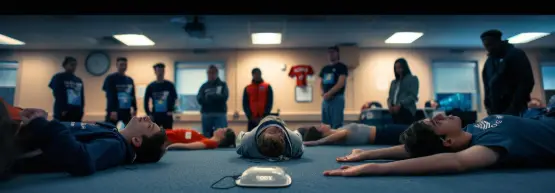
The field of emergency medical response is continually evolving, with ongoing updates to resuscitation guidelines. Therefore, remaining current with these changes is vital for providing the most effective care. Regular CPR refresher courses ensure that individuals maintain their skills and knowledge in accordance with the latest standards.
In addition to brushing up on basic skills, refresher courses often introduce new research findings, equipment, and advances in CPR. Staying educated about these updates aids in making more informed decisions during emergencies. These courses also provide an ideal platform for asking questions and discussing experiences with peers and instructors.
Furthermore, with each certification renewal, there’s an affirmation of commitment to saving lives. It serves as a reminder of the responsibility that comes with knowing CPR, a commitment to always be prepared to assist those in dire need. This resolve underscores the intrinsic value of the skill and its place in public health and safety.
The ability to perform CPR is an essential skill that can empower individuals to make a significant difference in emergency situations. From understanding the urgency of learning CPR to actively pursuing certification, learning hands-on techniques, and staying current with refresher courses, the journey to becoming a confident lifesaver requires dedication and commitment. Remember, when it comes to saving lives, the knowledge and skills you possess are as valuable as the willingness to use them.
Also Read-Fall Landscaping Secrets for a Healthier, More Striking Yard
