
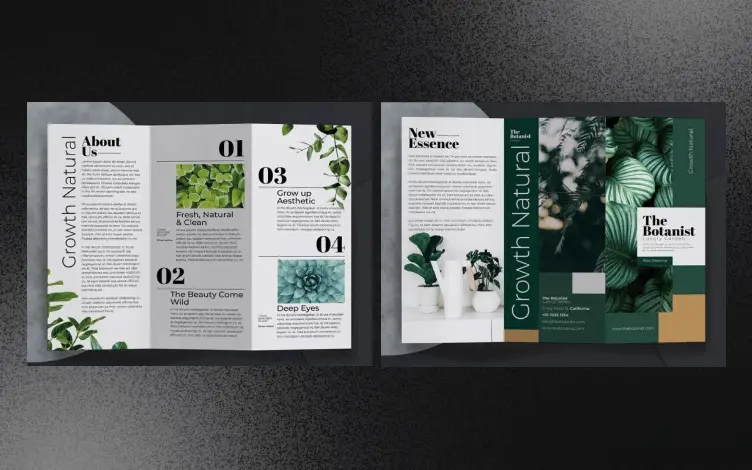
Designing an impactful booklet is both an art and a science—it’s about crafting a resource that is visually inviting, easy to navigate, and purposeful in its communication. Whether you’re gearing up for a marketing campaign or creating educational materials, your design decisions significantly impact how your audience perceives the content. An effective booklet doesn’t just share information; it expresses your brand’s identity, sets the tone for engagement, and can even drive conversions. Fortunately, you don’t need to be a professional designer to achieve exceptional results. With practical guidance and a good understanding of key design principles, you can create engaging booklets—whether distributed in person, at events, or delivered directly to your audience by choosing booklets sent to your door. Taking the time to address important details upfront will pay dividends through improved responses and stronger brand recognition.
Understanding what separates a good booklet from a great one starts with careful planning, progresses through content organization and structure, and finishes with meticulous attention to design detail. Small issues that seem minor—an unreadable font, off-center images, or awkwardly cropped text—can instantly reduce your booklet’s perceived value. However, by avoiding the most common pitfalls and focusing on proven best practices, anyone can produce a polished final product that delivers its message clearly, encourages the desired response, and leaves a lasting impression.
Selecting the Right Binding Method
The way your booklet is bound has significant implications for its functionality, longevity, and user experience. Beyond simply holding pages together, binding impacts how a booklet feels in hand, its portability, and how readers interact with it. Three primary binding choices dominate the market, and each has distinct advantages:
- Saddle Stitching:Best for slimmer booklets (8 to 40 pages), saddle stitching involves folding sheets and stapling them along the spine. This economical method is widely used for event programs, small catalogs, reports, and brochures because it enables quick and affordable production while maintaining a professional finish.
- Perfect Binding:Reserved for thicker booklets, perfect binding utilizes glue to secure the pages together, emulating the look and feel of a paperback book and providing a more substantial, durable result. This is the ideal choice for annual reports, magazines, catalogs, or other publications that require a polished and high-end appearance.
- Wire-O and Spiral Binding:These methods use metal or plastic coils to bind the booklet, allowing it to lie completely flat when opened. This feature makes them popular for manuals, handbooks, instructional workbooks, or planners that readers will reference frequently, as the pages will not snap shut during use.
Select your binding method based on the purpose of the booklet, its expected usage, your aesthetic goals, and the total page count. Each method affects your booklet’s cost and reader experience—so weighing functionality, appearance, and practicality is essential.
Design Considerations: Margins, Bleed, and Image Quality
Even the best designs can fall short if technical requirements aren’t met. Properly managed file preparation and layout protect your project from common, frustrating mistakes such as cut-off text or blurry photos. Attention to margins, bleed, and image resolution is vital to ensuring your booklet prints as intended and looks sharp to every reader.
- Margins and Bleed:Always remember to extend backgrounds and borders at least 3mm (1/8 inch) beyond the trim area—this safety area, known as the “bleed,” provides insurance against slight movements or shifts in the printing and cutting process. At the same time, keep all essential text and key visuals at least 3–5mm inside the trim edge to ensure they are not accidentally cut off. By following this principle, you maintain a professional appearance and reduce the risk of costly reprints.
- Image Quality:Photos and graphics should be at least 300 DPI (dots per inch) for crisp, clear prints, regardless of final booklet size. High-resolution images enhance the quality and attention to detail of your booklet project, while low-resolution artwork, although possibly acceptable on screens, often appears blurry or pixelated on paper. Double-check all files before sending them to print to avoid disappointment.
Typography and Color Scheme
Consistent use of typography and a synchronized color palette significantly enhance both the aesthetics and readability of your booklet, effectively conveying information while reinforcing your brand. Here are some essential rules to follow in your design process:
- Font Selection:Limit yourself to two or three complementary fonts—ideally, one for titles or headings, one for body text, and, if needed, a third for accents or callouts. Prioritize readability, especially in smaller print sizes, and consider your target audience when selecting typefaces—formal publications may benefit from serif fonts. At the same time, tech or lifestyle brands may lean toward clean sans serifs. Avoid using decorative fonts for body text as they can cause eye strain over extended reading.
- Color Palette:Select colors that complement your brand and reinforce the tone and structure of your content. Consistency is key, so restrict your palette to a small set of harmonious hues and use color intentionally for headers, navigation, and highlights. Overuse of bright or mismatched colors can distract or overwhelm readers, while a well-coordinated scheme communicates professionalism, builds trust, and enhances brand recall. Use color contrast strategically to improve accessibility for all readers.
Incorporating Calls to Action and Contact Information
A successful booklet does more than share information. It motivates readers to take action or encourages further engagement with your organization, product, or service. Be clear about the next steps you want your audience to take and make them as frictionless as possible:
- Calls to Action (CTAs):Whether your goal is to drive website traffic, collect event registrations, gather sign-ups, or encourage purchases, CTAs should be specific, concise, and visually distinctive. Use actionable language like “Sign Up Today,” “Visit Our Website,” or “Contact Us Now,” and place them in easily noticed locations—at the close of each section, in a sidebar, or as a final page highlight. Ensure that instructions are clear and concise, and the process for taking action is straightforward.
- Contact Information:Make it as easy as possible for readers to get in touch. List multiple contact methods—phone, email, physical address, and prominent social media handles—preferably in a dedicated contact section or at the bottom (footer) of every page. If possible, include QR codes or short links to your online presence to encourage immediate engagement. Consistently displaying contact info builds trust and encourages follow-through on your CTAs.
Proofreading and Quality Assurance
Before sending your booklet to press, set aside ample time for a thorough review. Proofreading is crucial: check for spelling errors, improper grammar, inconsistent formatting, and layout changes that might have occurred during design revisions. Even a single typo can undermine your booklet’s credibility, potentially damaging your reputation and costing you money if reprints are needed. Involve multiple people in the review process—editors, subject matter experts, or even trusted colleagues—to catch mistakes you might overlook after long hours with your project.
Equally important is a technical check for file setup: confirm that all fonts are embedded, all images are high-quality, and that colors are in CMYK format for print (not RGB, which yields different results). If your booklet contains complex graphics or layered effects, ensure no elements shift or distort in the final export. Paying close attention to these final details protects both your investment of time and your overall budget.
Conclusion
Effective booklet design is the result of thoughtful choices, from the earliest planning phases to the final pre-press check. By ensuring you use the correct binding method, attend to technical design standards, maintain consistent typography and color, and always include clear, purposeful calls to action, you create a booklet that not only stands out visually but also delivers results. With these expert guidelines in hand, you’ll communicate your message clearly, establish professionalism, and make a memorable impression on your audience—regardless of whether your booklet is for business, education, or promotion.
